10 hr
Mount Batur Sunrise Trek & Hot Springs from Ubud
Pre-dawn volcano hike to catch sunrise over Bali, followed by a soak in natural hot springs.
Reserve
Headlamps climb the black ridge, steam settles the legs after.
Hand-picked by our editors — only the best 5 experiences from 140 reviewed.
Verified partners for every tour, free cancellation where available, and instant confirmation on every booking.
10 hr
Pre-dawn volcano hike to catch sunrise over Bali, followed by a soak in natural hot springs.
Reserve
11 hr
Trek an active volcano before dawn, then soothe tired legs in a mineral hot spring.
Reserve
8 hr
4WD sunrise ride up Mount Batur plus a soak in a natural hot spring, straight from Ubud.
ReservePrices from verified partners. Availability updates in real time at checkout. Free cancellation policies apply where shown.
The landmarks, rooms, and views travelers on this tour remember — all visible on a single visit.
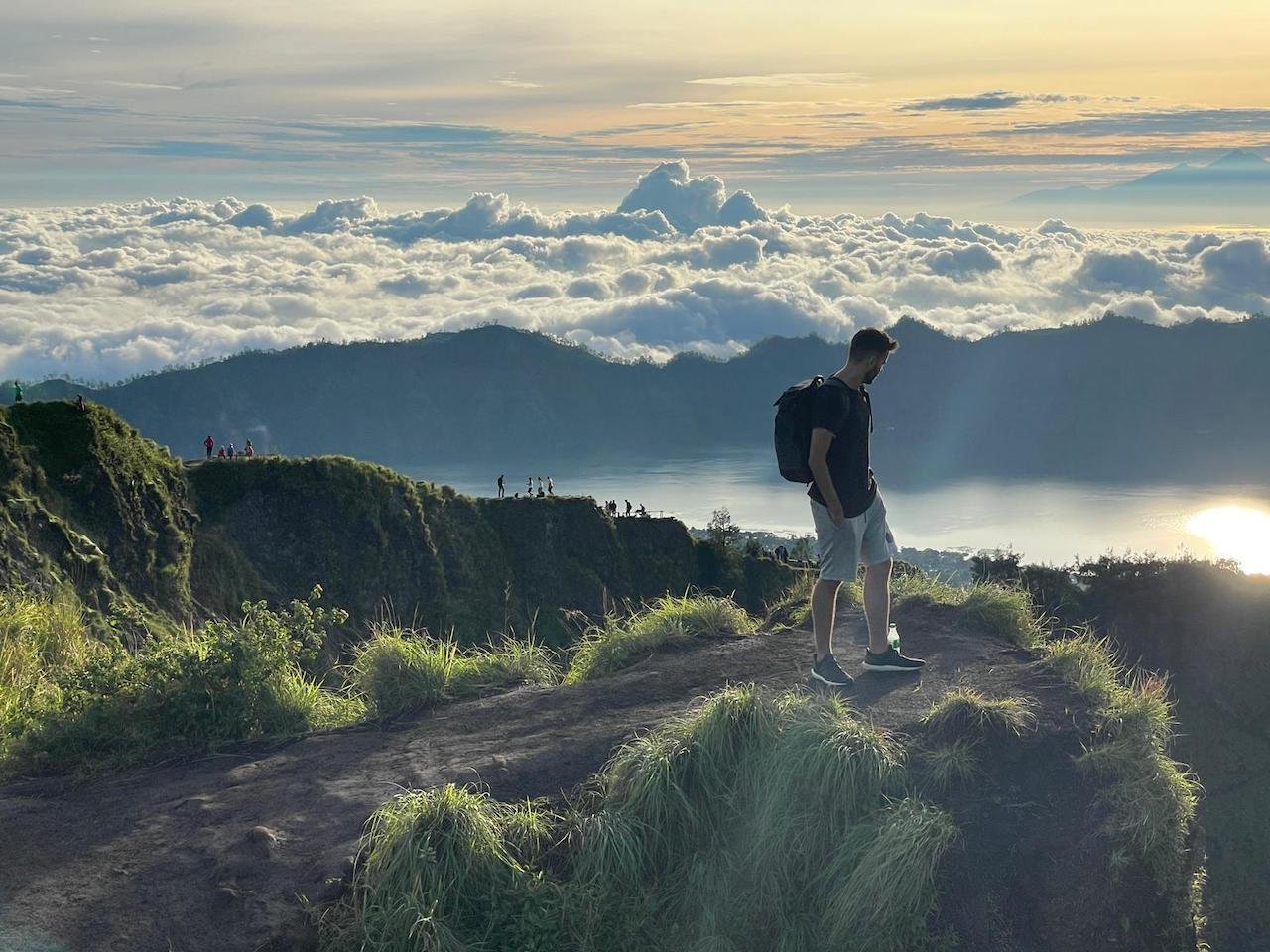
The summit sits at 1,717 meters above sea level and is the main goal of the pre-dawn trek. The route is famous for its volcanic gravel and the sunrise view over Bali’s eastern highlands.
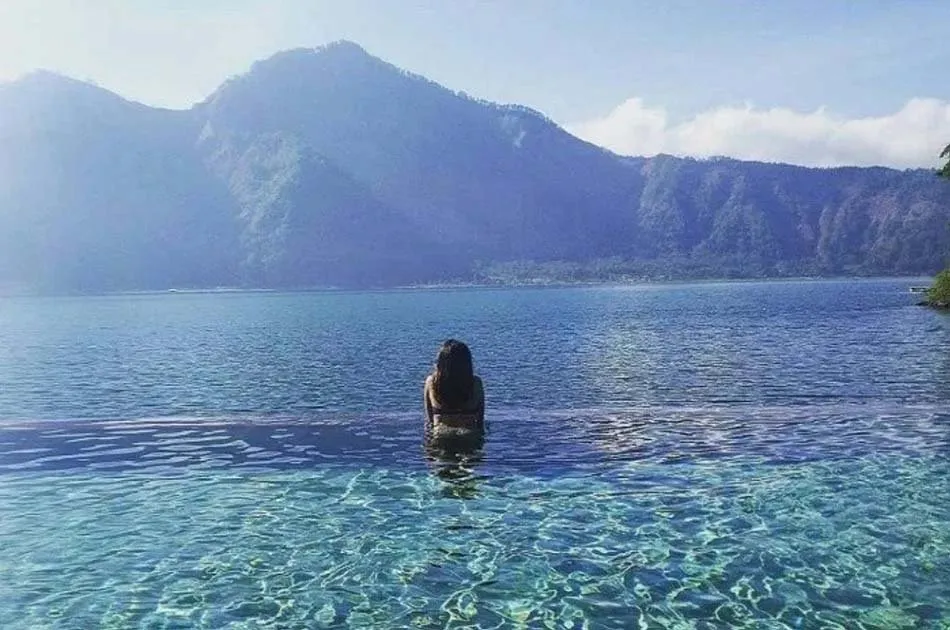
The lake fills the crater floor below the volcano and gives the caldera its broad, nested look. From the rim, the water and surrounding villages are visible in a single sweep across the basin.
These lava fields were formed by past eruptions and are a key post-sunrise stop on Jeep and hiking combos. Their dark rock contrasts sharply with the green highlands and makes the volcanic history easier to read on the ground.
The rim path is where hikers feel the steepest contrast between the climb and the broad views at the top. It can be slippery after rain, which is why treaded shoes matter on the descent as much as the ascent.
This is the pause point for breakfast, photos, and the first light over Mount Agung and the caldera. The viewpoint is especially busy around dawn, so guided groups tend to move quickly through it.
Natural steam vents near the summit are one of the most unusual details of the climb. Guides often use them as a simple reminder that Mount Batur is an active volcano, not just a scenic hill.
They complement each other, but most visitors who do both find the hiking-and-soak option more rewarding for effort and sunrise drama, while the jeep version is the better pick for a lighter day from Ubud. If you want the active Mount Batur hike, choose from ubud mount batur hiking with hot spring tours; if you want less walking, the jeep route wins.
| Feature | Top pick Mount Batur hike | Mount Batur Jeep Sunrise |
|---|---|---|
What you do |
Guided dawn trek, then hot spring | 4WD jeep sunrise ride, then hot spring |
Physical effort |
High; uphill hiking | Low; mostly seated |
How you reach the summit area |
Walk rocky volcanic path | Drive to viewpoint by jeep |
Sunrise experience |
On-foot crater-rim sunrise | Vehicle-side sunrise viewpoint |
How much time it takes |
About 10 hours | About 8 hours |
Who it suits |
Fit travelers wanting exercise | Travelers wanting easier access |
Hot spring inclusion |
Optional soak after hike | Optional soak after jeep |
| See tickets → |
Verdict: For a more active Mount Batur day, the hike is stronger; for shorter time and less effort from Ubud, the jeep option is the easier choice, and the hotter spring add-on is available on both from ubud mount batur hiking with hot spring tour.
Choose your ticket, select your date, and reserve in under two minutes. Secure checkout handled by our verified partner.
Instant confirmation by email, with a mobile voucher you can save offline. No printing, no queuing at a collection desk.
Arrive at the entrance, show your voucher on your phone, and walk in. Most tickets include priority or skip-the-line access.
Best time to go, insider tips, nearby landmarks, and the cancellation fine print — flip through to skim what matters to you.
How crowds, weather, and events shift across the year.
April to June usually brings clearer skies and drier paths, which helps the sunrise view and reduces slipperiness on the descent. This is one of the safest windows for from ubud mount batur hiking with hot spring.
July to August is busy because it overlaps with Bali’s peak travel season. Book early if you want from ubud mount batur hiking with hot spring tickets, as dawn departures and hot spring time slots fill quickly.
September to October still falls in the dry season, so visibility is often strong and the volcanic ash path is less hazardous. from ubud mount batur hiking with hot spring tours remain popular because the weather is still trekking-friendly.
Rain and cloud cover are more common, which can hide the sunrise and make the trail slick. If you still go, from ubud mount batur hiking with hot spring tour products that include Jeep access are safer than a full trek.
Small details that turn a good visit into a great one.
Bring enough cash for the 100,000 IDR entrance fee and any small summit purchases. Card acceptance is limited on the mountain, and you may also want cash for tips.
Use the 02:00–04:00 arrival window because it matches sunrise timing and cooler temperatures. Arriving later can mean harsher light, warmer air, and a more crowded summit.
Keep food zipped away once you reach the crater area. Macaques are known to grab visible items from hikers.
Start with a light base layer and add a jacket for the summit wait. The ascent warms you quickly, but the pre-dawn pause can feel cold.
If your booking includes the hot spring stop, bring a swimsuit and dry clothes. The soak is much more comfortable when you have a clean change ready after the hike.
Use shoes with a strong tread rather than smooth trainers. Volcanic ash and loose gravel can slide on the descent, especially after rain.
Follow the guide’s pace and route, especially in the dark. The trail is steep, rocky, and local operations require guided trekking.
Non-bookable sights within a short walk — free to visit, easy to pair.
The crater lake sits beside the volcano and defines the caldera landscape. It is the main water body visible from the summit and from hot spring resorts.
A lakeside bathing complex used as the usual post-hike soak on combo itineraries. Expect pools, changing areas, and direct views toward the volcano.
This village is the best-known trailhead zone for Mount Batur dawn hikes. It is also the base area most associated with hot spring access.
A major temple near the caldera rim and an important Balinese religious site. It is often combined with Kintamani sightseeing rather than the trek itself.
A roadside lookout with wide caldera views over Mount Batur and Lake Batur. It is useful for travelers who want a scenic stop without hiking.
Flexible, no hidden fees.
For most Mount Batur tours and tickets, cancellation is free up to 24 hours before the scheduled departure time for a full refund. The 100,000 IDR trekking permit / entrance fee is non-refundable once issued.
Hand-picked options within walking distance — pick a district for vibe, or a specific hotel for convenience.
A hot-spring resort right by Lake Batur, convenient for very early trekking starts. It suits visitors who want a room close to the trail and post-hike bathing.
The main stay area for travelers building a Mount Batur sunrise plan. Staying in the district shortens the predawn transfer and gives easy access to viewpoints.
Best for travelers who want more hotel and restaurant choice before the early transfer to the mountain. It is the most common origin point for combo tours.
Mount Batur is not one volcano but a volcano inside the wreckage of a far larger one. Two nested calderas, the outer roughly 13.8 kilometres across, mark where an ancestral cone collapsed in on itself. What remains at the centre is a 1,717-metre active cone, still venting, still classified as one of Indonesia's most closely monitored volcanoes. The surrounding highland is Kintamani, in Bangli Regency, where the air sits ten degrees cooler than the coast. Below the summit lies Lake Batur, Bali's largest crater lake, crescent-shaped and fed by springs rather than rivers. The lake feeds the island's subak irrigation network, and the temple that governs it, Pura Ulun Danu Batur, holds a position near the top of Bali's water-temple hierarchy. In 2012, UNESCO inscribed the subak system as a cultural landscape. In 2020, the wider caldera was recognised as a UNESCO Global Geopark. Travellers who arrive on from ubud mount batur hiking with hot spring tours are moving through a landscape the island considers sacred infrastructure, not scenery. The eruptions are recorded. The 1926 event buried the village of Batur and much of its temple; the community rebuilt on the caldera rim, carrying the surviving shrine upward with them. Earlier flows, from 1849 and 1917, left the black lava fields that still cross the lower slopes — sharp, unvegetated, walkable only along established trails. The volcanic activity that shapes the trekking route also produces the geothermal water at the lake's edge, which surfaces near Toya Bungkah at temperatures warm enough to bathe in year-round. That pairing is why the mountain draws the traffic it does. The ascent is short by alpine standards but relentless, gaining roughly 700 metres of elevation from the trailhead. The descent returns walkers to water heated by the same magma chamber they have just stood above. Guides on a from ubud mount batur hiking with hot spring tour are typically drawn from the local trekking association, which holds exclusive rights to lead groups on the mountain — a rule established after decades of dispute over access. The view from the rim explains the pilgrimage. Eastward, Mount Agung rises to 3,031 metres; on rare mornings, Rinjani appears across the Lombok Strait. Steam escapes from fumaroles near the crater edge. The caldera floor holds villages, terraced onion fields, and a lake that has never dried. The 100,000 IDR fee, which includes the trekking permit, is the only formal barrier between a visitor and one of Bali's genuine geological set-pieces.
"What remains at the centre is a 1,717-metre active cone, still venting, still monitored."
Yes, photography is part of the experience, especially at sunrise over Lake Batur and the caldera. Just keep a firm grip on your camera or phone because macaques and loose volcanic footing both create risk.
The dry season from April to October is generally the best period, with clearer skies and safer trail conditions. The rainy season from November to March can make from ubud mount batur hiking with hot spring tours cloudier and the descent more slippery.
Wear layered clothing and closed-toe shoes with good grip. Summit temperatures before sunrise can be cold, even though the climb itself warms you up quickly.
Most Mount Batur tours allow free cancellation up to 24 hours before departure for a full refund. The 100,000 IDR trekking permit / entrance fee is not refundable once issued.
You can pair the trek with Lake Batur, Penelokan Viewpoint, Pura Ulun Danu Batur, or a soak at Batur Natural Hot Spring. Those are the most practical add-ons for a single morning around from ubud mount batur hiking with hot spring.